
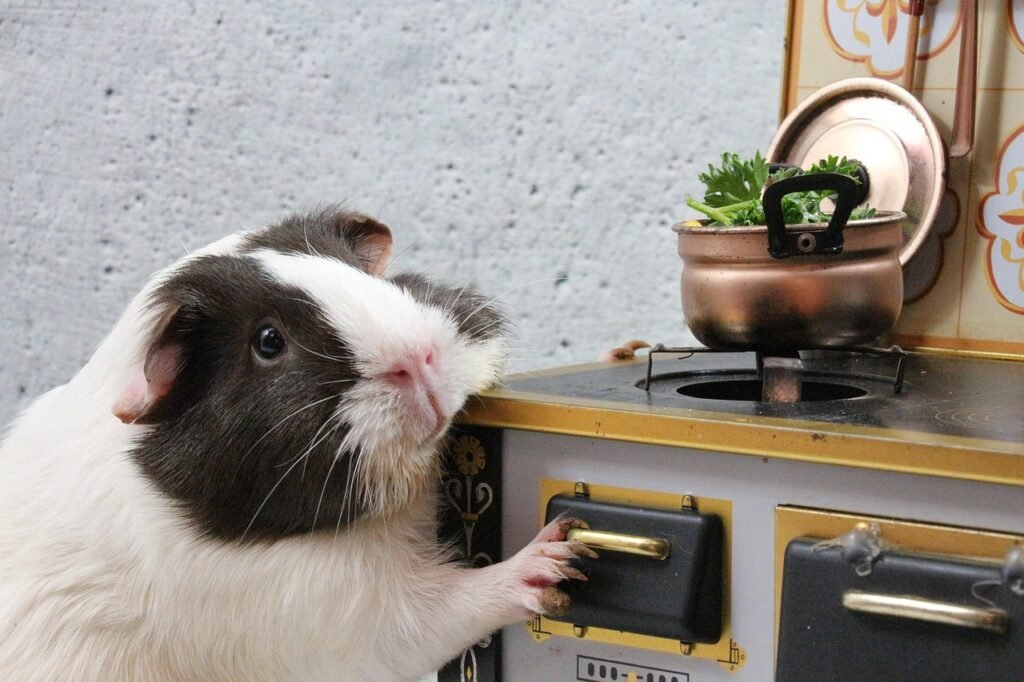
The term ‘guinea pig enrichment’ refers to the ways you keep your pet entertained. It revolves around activities, social interaction, and toys; anything that helps stimulate your guinea pig. Just like humans, guinea pigs can be prone to boredom. They show boredom like us: lethargy and lack of interest. That is why enrichment is so important. Guinea pigs should always be kept active and looking forward to their day; it is one of the main components of keeping your pets happy.
Fortunately, enrichment does not require expensive toys or complicated setups. Every new introduction into your guinea pig’s life, no matter how small, plays a role in keeping your guinea pig stimulated. This guide will cover common methods, from simple schedule changes to the best guinea pig toys and DIY creations.
This post contains affiliate links. I may earn a commission if you make a purchase through these links at no additional cost to you.
View the Table of Contents
Table of Contents
Why Guinea Pig Enrichment Matters
Enrichment goes beyond just preventing boredom. Its greatest impact is on your pet’s overall health and well-being. Proper enrichment is key to a guinea pig’s happiness. It is the stimulation that keeps your guinea pig active and confident to face the day.
Guinea pigs are intelligent animals that have been proven to be capable of experiencing states akin to depression. It’s a recognized issue that can be linked to social isolation and environmental stressors. While enrichment cannot completely eliminate the risk, it is crucial in your pet’s overall happiness.
Guinea pigs who lack enrichment are more susceptible to health problems. Without enough activity, they may become overweight or develop mobility issues. Mental understimulation can lead to stress, which weakens their immune system and makes them more vulnerable to illness.
On the flip side, enriched guinea pigs are happier, more social, and more confident. They are more likely to interact with their owners and willingly strengthen the bond between you and your pet.
In short, enrichment is not optional. It is essential.
Best Guinea Pig Toys
Toys are one of the simplest and most effective forms of enrichment. They can be one of the best ways to keep your pet entertained. The right toy will encourage natural behaviors such as chewing and foraging. This section will cover a few toy options, as well as DIY ideas.
TIP: Having more toys is always better when working with more than one guinea pig. They can often grow territorial over certain toys, so having more can prevent one guinea pig from hoarding all the toys.
For a guinea pig, the best type are chew and forage toys.
Chew Toys
A guinea pig’s teeth never stop growing, so they need to chew constantly to keep them trimmed. They are natural chewers who will chew on about anything. While hay is the best option for tooth management, introducing chew toys to your guinea pig in addition is a great way to provide both enrichment and a chewable option. The most important aspect of chew toys is to make sure it is made from a safe material. This is what your pet will be chewing on and possibly ingesting. It has to be safe enough.
The best materials are safe woods (apple, pear, willow), along with cardboard or hay-based toys. Ensure there is no added glue, dyes, or chemicals.
Guinea pigs love chewing, so if they don’t have chew toys, they’ll turn to whatever is nearby. This can include cage bars, hideouts, or even fabric. This behavior is often a sign of boredom or a lack of proper chew items.
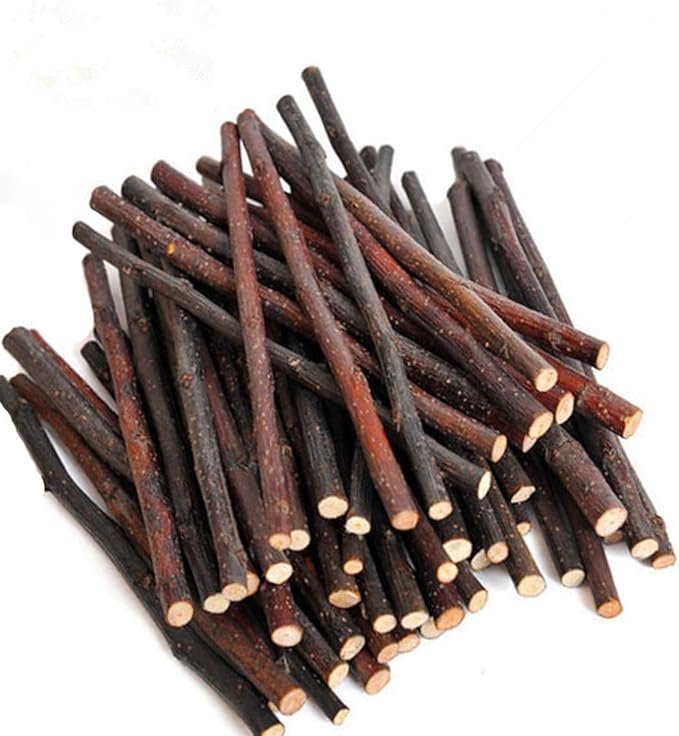
Most guinea pigs love apple sticks. They have a mild sweetness that encourages chewing. Apple wood is often preferred over other woods because of its texture and taste.
This brand offers excellent quality and provides enough sticks in each pack to last for quite a while.
Chewy carries a smaller pack size with fewer sticks per bundle.
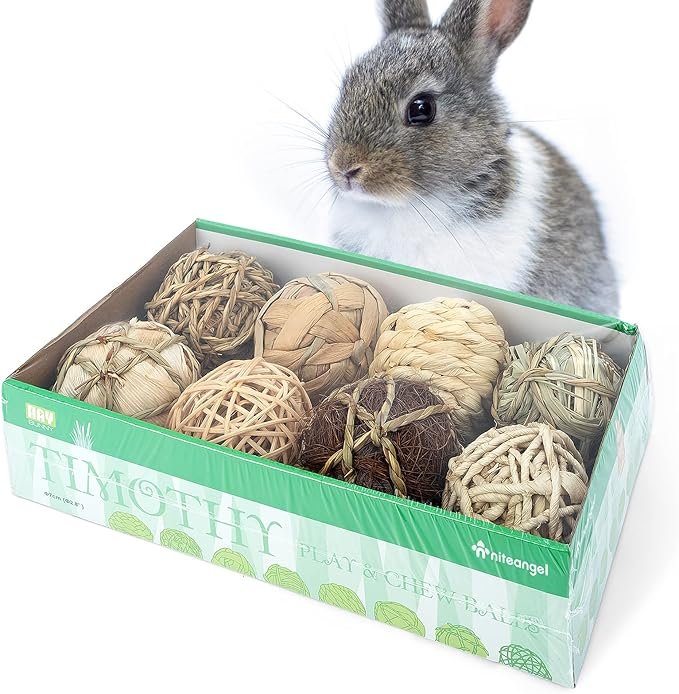
These chew balls are larger than standard ones, which helps them last longer. Each chew ball is made out of a different material and flavor. They’re a great option for guinea pigs who enjoy variety and for owners looking for toys with both durability and enrichment value.
Chewy offers similar chew balls that work well, though with less variety compared to Amazon’s selection.
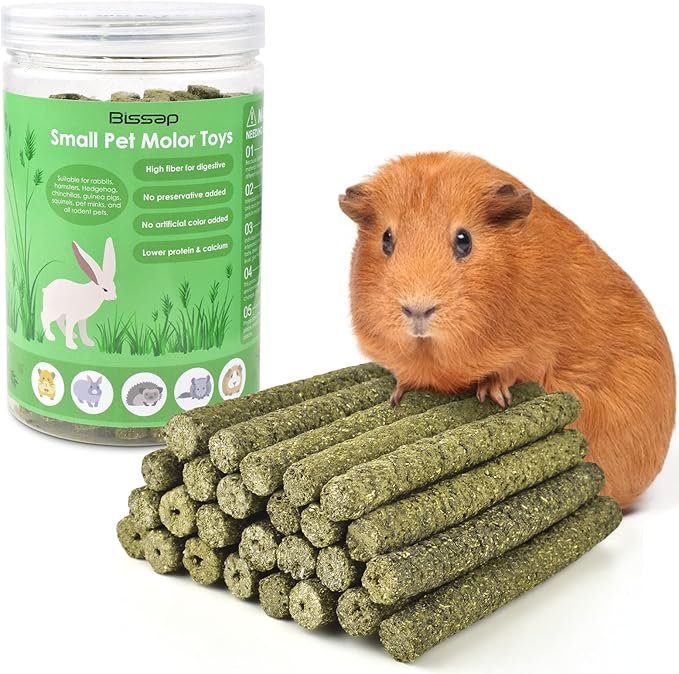
Hay sticks are compressed sticks made out of hay and/or grass. They are mess-free and last long enough to be used as both a treat and an enrichment toy. Hay sticks are an excellent addition alongside normal loose hay.
Both platforms carry multiple brands with similar quality and sizing
Foraging Toys
Guinea pigs are natural explorers who love to forage for treats and food. Foraging toys are designed to encourage this behavior by hiding treats inside. It makes your guinea pig ‘work’ for their food, which in turn makes eating a stimulating activity.
Foraging doesn’t always require a toy. You can easily encourage your guinea pig to explore and work for food by doing simple activities like scatter feeding or hiding treats around their space. This section will cover both DIY methods and toy-based options to make foraging fun and engaging.
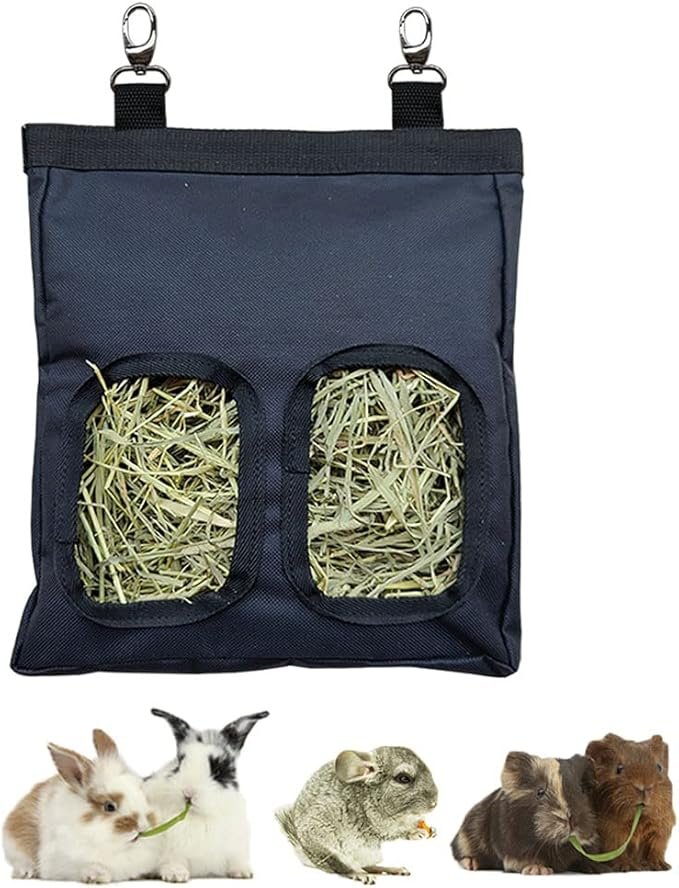
A hay bag isn’t technically a toy, but it encourages natural foraging behavior by making guinea pigs pull hay through small openings. Hay bags are often used as an alternative to loose hay because they create less mess while still providing a reliable food source. Keep in mind that some guinea pigs may prefer loose hay, so observe your pet to see which option they enjoy most.
Guinea Pig Foraging Methods
These are methods that don’t require any purchases. They are easy to set up and work well to encourage natural foraging behaviors. You can do them occasionally to keep your guinea pig mentally stimulated.
Scatter Feeding
Once in a while, you can adjust the way your pet eats. Instead of plainly giving food in a bowl, scatter it. Spread your guinea pig’s food around the area or across a surface. It is best to start simple; begin in a small, familiar area before branching off into larger areas to make it more challenging. This encourages your guinea pig to use their instincts to search for their food on their own.
Scatter feeding not only encourages natural foraging behavior, but also boosts your guinea pig’s activity. They are more likely to explore and move around even without the motivation of food.
TIP: Vegetables, fruits, and pellets are best for scattering. Hay is better placed in several small piles that are easy for your guinea pig to find.
Hide Treats
Tuck small vegetables or treats in unconventional places like hay piles or paper rolls. Your guinea pig will feel both satisfied and rewarded after finding them.
DIY Toy Ideas
You don’t need to purchase toys for your pets. It’s very common (and easy) to make the toys yourself! All of these can be created through household items. Rather than throwing them away, they can be used to make a quick little toy for your pets.
Instead of constantly buying toys, owners can occasionally offer household items. Cardboard, for example, is safe for guinea pigs to chew on. It can serve as a simple chew toy or be used to create DIY toys. Just provide your guinea pig with a plain piece of brown cardboard. Make sure it is free of tape, labels, dyes, or any other toxic materials before placing it in front of your pets.
Cardboard is safe for guinea pigs to chew on because it is wood-based. However, it should not be consumed regularly, as excessive ingestion can lead to health issues like intestinal blockages. Offer cardboard only occasionally.
Tip: Choose plain, brown cardboard. Boxes from places like Amazon are usually a safe option. I often make toys from these boxes, and I’ve noticed that my guinea pigs sometimes enjoy the boxes even more than the items that were inside.
Hay Bag: Find a plain paper bag and cut a square hole large enough for your guinea pig’s head. Fill the bag with hay. This works as a temporary hay bag, though its durability will depend on how frequently your pet eats and chews at it.
Hay Roll: Use an empty toilet paper roll and stuff both ends with hay. Guinea pigs love to nibble and pull the hay out.
Hideout: Use a plain cardboard box and cut a hole large enough for your pet to enter and exit safely.
Simple Tricks for Enrichment
This section will cover simple methods that do not require much time but greatly impact your guinea pig’s happiness.
Social Interaction
Guinea pigs are social animals that thrive on companionship. This is one of the main reasons why they should always be housed as pairs (or groups). They form social hierarchies, communicate, and form bonds with one another. To learn more about how to bond guinea pigs, refer to this guide: [How to Bond Guinea Pigs].
However, guinea pig parents can also play a role in their pet’s social life. Guinea pigs can form strong bonds with their owners through consistent interaction and communication. Over time, guinea pigs can learn to recognize their owners and associate them with positive experiences. Just seeing you can make them happy. You yourself can be a part of your pet’s enrichment.
Cleaning and Reorganizing the Cage
Guinea pigs are curious creatures that love to explore. A way to always keep them exploring is to change their cage’s layout. This is where they spend most of their time, so they will quickly notice any changes and investigate. Even a slight change, like a moved hideout or tunnel, can keep their minds fixated.
Keep the environment dynamic; the cage should be exciting. Move a hideout once in a while. Rotate through different toys. Introduce a new item. Just avoid changing the cage too much or too often, as it can overstimulate your pet. Guinea pigs need a mix of stability and variety to feel comfortable.
You will also notice that every time you clean your pet’s cage, they may start observing you with curiosity. Let them watch in real-time.
Schedule
Guinea pigs can recognize a schedule. For example, they will learn what times you feed them, when you let them out for floor time, and when you spend time with them. If you keep these times consistent, your pets will start getting excited at certain times and anticipate events. Guinea pigs thrive with a consistent routine.
As guinea pigs are prey animals, they feel most secure in a stable, predictable environment. A consistent routine is not only a way of enrichment but also a means of keeping them comfortable when they understand what to expect and when.
Side Note: If this schedule is maintained, your guinea pigs may even start reminding you when you are late.
Floor Time
This is where your guinea pig gets the majority of their physical exercise, especially if you have a small cage. Guinea pigs should have at least one hour of supervised “floor time” where they are let out of the cage and given room to explore.
Make sure the area is “piggy-proofed” before you let your guinea pig out of the cage. Remove any safety hazards such as cords (they WILL chew on them), toxic plants, and large pets. Anything that can pose a risk.
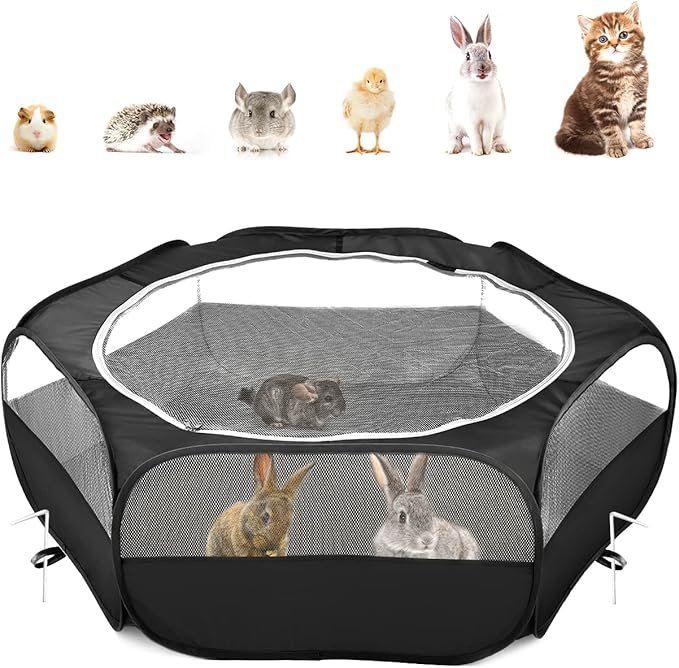
A playpen provides a safe space for your guinea pig to enjoy time outside the cage. If you don’t want your pet roaming freely around your house or plan to take them outside, a playpen is a great way to keep them safe and secure while also giving them room to explore and move around.
This portable playpen comes with a zippered cover and a waterproof bottom to contain mess.
Background Music
Some guinea pigs love the sound of music. Only some, not all. Guinea pigs can respond positively to gentle background sounds such as classical piano or nature sounds. Only use soothing music and never anything with loud or sudden noises. It can stress your pet.
The best way to determine if your guinea pig enjoys music is to observe their behavior. If they seem relaxed and continue their normal activities, they are most likely comfortable. If they freeze, hide, or appear anxious, turn it off. Take time to understand their music preference.
Keep in mind that guinea pigs have sensitive hearing, so any background sound should be played at a low volume. Never use music as a substitute for proper enrichment; it’s simply an optional addition to their environment.
Teach them a Trick
Any guinea pig can learn a trick if you have enough patience. Keep it as simple as possible. Each guinea pig learns at a different speed. Always reward them with treats, no matter how small the improvement.
Go on YouTube and watch trick tutorials. There are more than you think.
Side Note: The very first trick I taught my guinea pig was how to stand up. I would hold his favorite vegetable above his head just slightly out of reach. Every time he managed to eat it, I would raise it just slightly higher. Now he stands on his own to tell me he is hungry.
Signs of Good Enrichment
When your guinea pig is properly enriched, you’ll notice positive behavioral changes that indicate they’re mentally stimulated and happy. Here are the key signs to look for:
- Active Exploration: Your guinea pig moves around their cage throughout the day, investigating new items and exploring familiar areas with curiosity.
- Popcorning: This is when a guinea pig makes a sudden or a series of jumps. It is a clear sign of joy and excitement. You’ll often see this during floor time or when they’re particularly happy.
- Vocalizing Happily: Content guinea pigs are more vocal and louder. However, this can depend on your guinea pig, as some tend to be quieter than others.
- Eager at Meal Times: If you stick with a schedule, your guinea pig will start getting excited around the time you feed them. They may start reacting to the sound of your fridge opening and plastic bags.
- Healthy Appetite: They eat their food regularly and maintain a healthy weight.
- Playing with Toys: You’ll catch them chewing on toys, tossing around small objects, or investigating new items you’ve added to their space.
If you notice these behaviors regularly, your enrichment efforts are working!
Signs of Bad Enrichment
The biggest sign of low enrichment in your guinea pig is their activity level. These pets are active creatures who are awake for almost 24 hours a day. They sleep in small intervals throughout the day, which means they spend most of their time awake. It is normal for a guinea pig to have bursts of energy throughout the day; therefore, if you begin to notice that they are not moving as much, have a quieter demeanor, and seem disinterested in their surroundings, that can be a sign of boredom or even depression.
- Inactivity & Lethargy: A guinea pig may remain within one spot for long periods of time. They will have a more ‘tensed and hunched’ posture. The eyes may appear dull or half-closed.
- Restlessness: Constantly pacing back and forth within the cage with no clear purpose.
- Reduced Vocalization: A previously vocal guinea pig may become unusually quiet.
- Lack of Appetite: They show less interest in food, even favorites.
- Ignoring Surroundings: Your guinea pig may show a lack of interest in the activity around them. They will ignore new objects or toys placed in their cage.
- Bar Chewing or Biting: This can be a coping behavior or a need for attention. Doing this occasionally is normal behavior, but if frequency increases, this may be a signal of stress or frustration.
It is always important to make your pet’s life as entertaining as possible. Always provide them with enough to keep them active and happy.
Toys to Avoid
Not all toys are safe for guinea pigs. Some may be made from unsuitable materials, while others might have a structure that is not appropriate for a guinea pig.
- Exercise Balls & Wheels: These are extremely dangerous for guinea pigs. While they work for hamsters and other small animals, guinea pigs are too large and have inflexible spines that can’t safely curve inside balls or wheels. Using them can result in spinal injuries, stress, overheating, and potentially fatal harm. Stick to floor time in a safe, open area instead. That is where guinea pigs get their exercise.
- Unsafe Materials: Avoid toys with small parts that can be swallowed, such as bells or rubber parts. Toys should never have glue, even if it is ‘pet friendly,’ as guinea pigs are attracted to any adhesive material.
- Wooden materials should be approached with caution because some are toxic to guinea pigs. To learn which woods are safe, use this guide created by ICiccinnamon. They have compiled a comprehensive list of each wood: [Full List of Safe Branches + Wood for Guinea Pigs & Rabbits].
- Watch for sharp edges or anything treated with chemicals and paint.
Conclusion
Enrichment doesn’t have to be complicated or expensive. Simple changes like rotating toys, providing floor time, and maintaining a consistent routine can significantly improve your guinea pig’s quality of life. The key is variety and consistency. Always keep introducing new experiences while maintaining the stable environment they need to feel secure. Check here for more guides: [Complete Guinea Pig Diet Guide (2025): Hay, Pellets & Nutrition], [How to Set Up a Guinea Pig Cage], and [Guinea Pig Cage Cleaning Guide (Complete Schedule & Tips)].