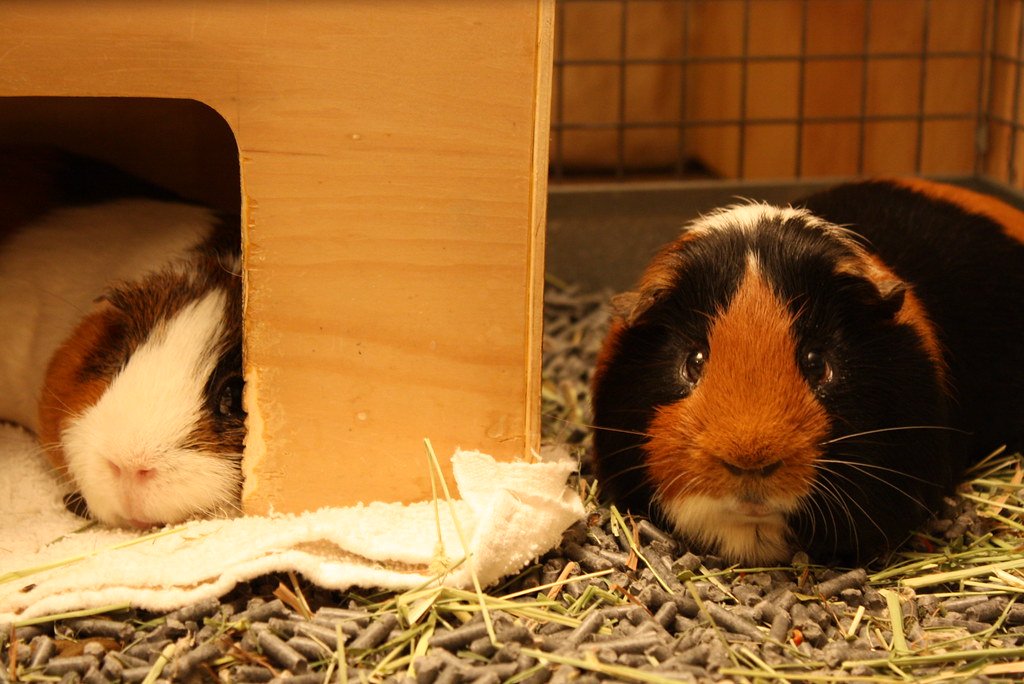
Good bedding is a source of comfort for your guinea pig. It is the surface your pet walks on and place on the cage’s bottom. Guinea pigs have very sensitive feet that should not be on hard surfaces for long periods of time. They are susceptible to issues such as swollen feet or developing bumblefoot, a serious inflammation caused by bacterial infection or prolonged irritation.
All good bedding is made out of soft material. It must be absorbent enough to absorb urine, while also providing comfort to your guinea pig. There are typically three options for guinea pig bedding, each with their own pros and cons: paper bedding, wood shavings, and fleece liners.
This post contains affiliate links. I may earn a commission if you make a purchase through these links at no additional cost to you.
View the Table of Contents
Table of Contents
What Makes Good Guinea Pig Bedding?
The most important aspects of good bedding can be divided into two main factors: Absorbency and Odor Control.
How absorbent your bedding impacts how dry or wet the cage floor becomes. The drier the better as urine must be absorbed to avoid wet environments that only lead to bacterial growth and bad smells. Odor control is equally important in that regard as some bedding does a poor job on managing smells even when regularly cleaned.
Guinea Pig’s especially need more ‘thick’ and soft bedding to cushion their feet.
Loose Bedding
Both paper and wood shavings are known as ‘loose bedding.’ This is a type of disposable bedding composed of small, loose pieces that are spread across the entire cage floor.
It is the most ‘traditional’ bedding option and remains popular because of its ease of use. It is very easy to clean loose bedding as it is disposable. Simply discard any soiled bedding and replace it with a fresh one. However, that also makes it a rather expensive option since it requires repeated purchases.
Loose bedding is best when used in layers. Create a thick, even layer that is at least 2-3 inches deep for the best absorbency and odor control.
Tip: When using loose bedding, make sure it is contained within the cage. It is very easy for pieces to scatter. Some owners find it works best when used in high activity areas, such as a litter box or near food.
Paper Bedding For Guinea Pigs
Paper bedding is made from various types of paper that are then processed into a softer, more absorbent material suitable for smaller animals like guinea pigs.
When purchasing paper bedding, make sure it is specifically made for small animals. If it is not the right type, paper bedding can contain harmful additions like inks, dyes, and other chemicals.
Avoid paper products like newspaper or toilet paper. Both options are not absorbent enough, and the ink in newspaper may be harmful.
+ Highly Absorbent
+ Very Soft
+ Low Dust (Varies based on Brand)
+ Great for Burrowing
– More expensive than Wood Shavings
– Grows Soggy Quick
Paper Bedding Recommendations
Paper bedding across different brands is almost identical. Most are made from recycled paper and perform the same in terms of absorbency and softness. The main differences come down to price, brand preference, and available bag sizes. These two options all provide high-quality paper bedding, just with different quantities and pricing.
They are all 99% dust-free with no added fragrance or dyes.
Kaytee Clean & Cozy White Paper Bedding
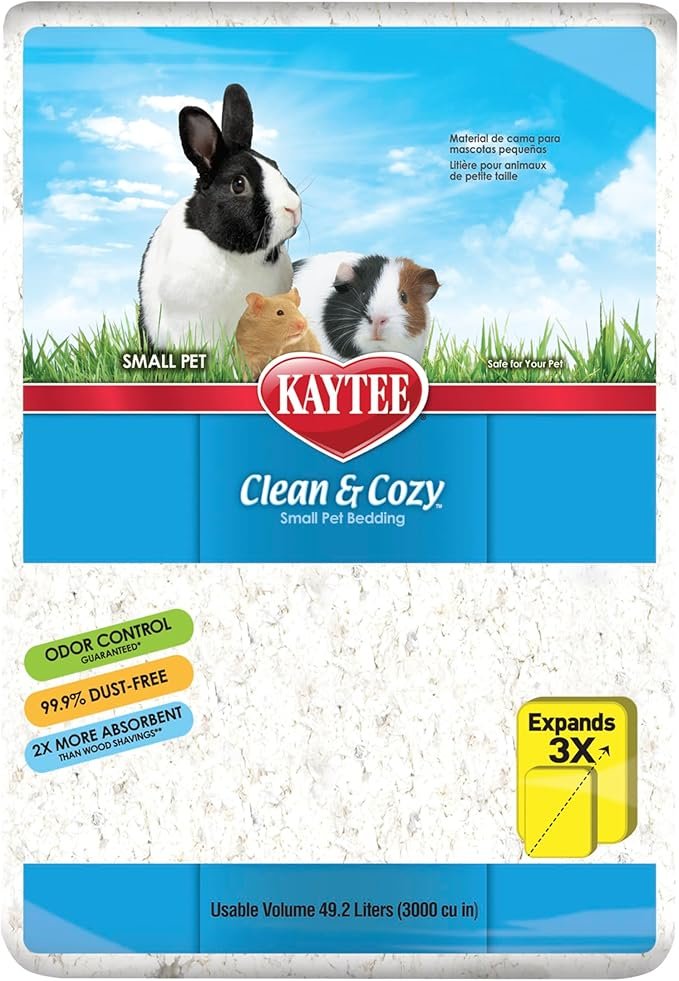
Kaytee Clean & Cozy is a soft and highly absorbent paper bedding. It can absorb up to 6 times its weight in liquid with no added chemicals or fragrances. The bestselling small animal bedding on Amazon.
Oxbow Pure Comfort Small Animal Bedding
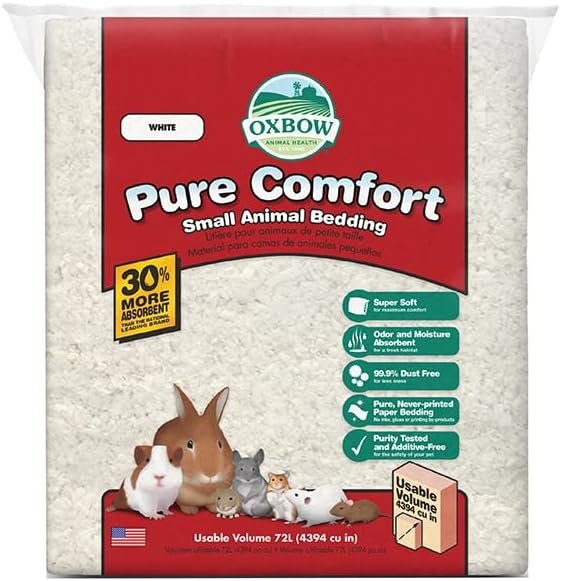
Oxbow is a trusted brand among guinea pig owners, known for producing high-quality small animal products. Their paper bedding is made from blank paper that contains no ink or dyes for the comfort of your pet, as well as a 30% higher absorbency rate than the average paper bedding. They offer 24 to 72-liter bags depending on your needs.
Wood Shaving Bedding For Guinea Pigs
Wood shavings are made by processing large timbers or logs into thin, small pieces. These shavings are softer and contain no sharp edges that may injure your pet.
Not all wood shavings are safe for guinea pigs. Safe wood shavings must be kiln-dried and dust-extracted before being used in a cage. These processes remove the aromatic oils and excess dust that could otherwise lead to respiratory or liver problems.
Aromatic oils are toxic to guinea pigs. They are highly sensitive to these oils. Just breathing in the fumes can cause health problems.
+ Cheaper than Paper Bedding
+ Excellent Odor Control
+ Natural Texture
– Less Absorbent than Paper Bedding
– Contains more Dust than Paper Bedding
– Less Soft
Some woods contain higher levels of aromatic oils that can remain even after kiln-drying. These types are harmful and must be avoided.
Tip: Always make sure every wood shaving you use has these two labels: “dust-extracted” and “kiln-dried.”
Safe Guinea Pig Wood Shavings
- Aspen Shavings: Aspen shavings are considered by most to be the best option. Aspen is a wood that is naturally low in aromatic oils.
- Kiln-dried Pine Shavings: Pine wood is high in aromatic oils. However, once it is processed properly, these harmful additions are removed.
Unsafe Guinea Pig Wood Shavings
- Natural Pine: This is Pine wood that has not been kiln-dried. Avoid
- Cedar Shavings: Avoid cedar at all costs. It contains high levels of aromatic oils that still persist even after it is processed.
- Sawdust: Sawdust is not the same as wood shavings. It consists of fine wood dust, which is a danger if inhaled.
- Wood Chips: Wood chips are not the same as wood shavings. They are much larger and may pose a splinter risk.
Guinea Pig Wood Shaving Recommendations
I only recommend aspen and kiln-dried pine shavings because they’re the only wood types proven safe for guinea pigs when properly processed.
Kaytee Aspen Small Animal Pet Bedding
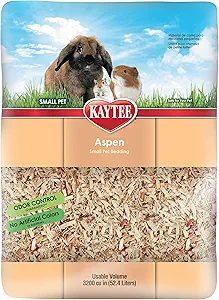
Kaytee Aspen bedding is the gold standard for wood shaving bedding. Made from 100% all-natural aspen shavings, this bedding is naturally low in aromatic oils, making it the safest wood option for guinea pigs. The shavings are soft, absorbent, and provide excellent odor control without the health risks associated with pine or cedar.
Kaytee Pine Small Animal Pet Bedding
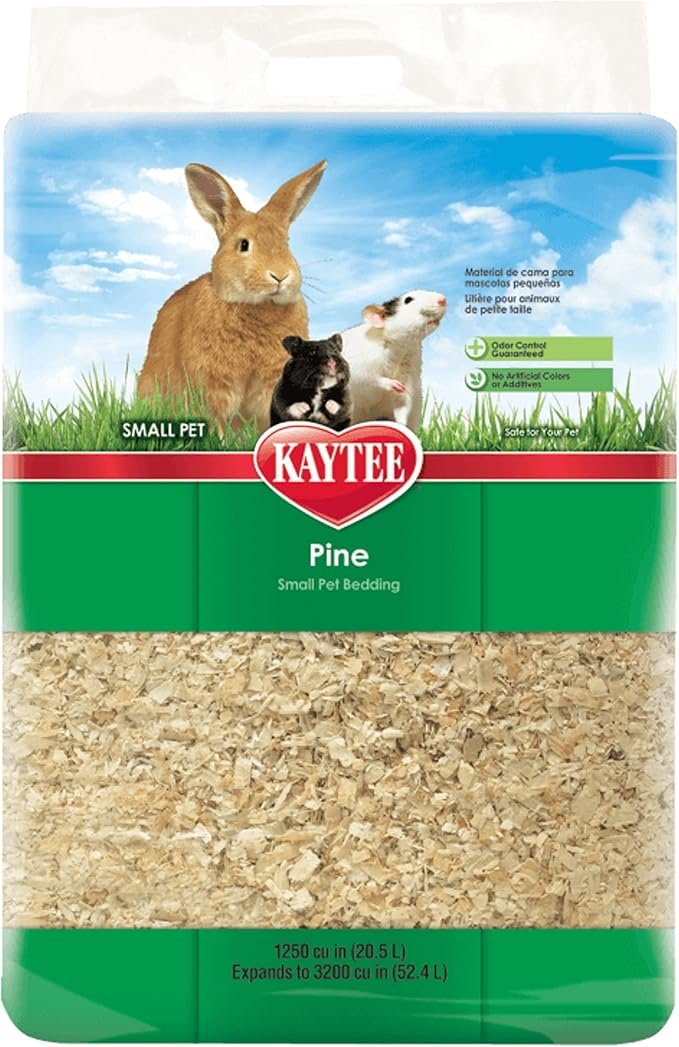
Kaytee Pine Bedding is made from 100% kiln-dried pine shavings that have been heat-treated to remove harmful aromatic oils. It provides stronger odor control than aspen and is slightly more absorbent. It works well for guinea pigs who produce a lot of urine. However, always verify the package says “kiln-dried” before purchase, as untreated pine is dangerous.
Guinea Pig Fleece Liners
Fleece liners are a reusable fabric bedding that is also the most popular bedding option for guinea pigs. Unlike loose bedding, fleece can not only be reused for years, but also offers the exact same benefits of loose bedding. While it is expensive upfront, it is more cost-effective in the long run.
Fleece itself is not absorbent. Instead, it must be paired with absorbent layers underneath to properly wick away moisture. The fleece acts as a soft top layer that stays relatively dry while liquid passes through to the absorbent layers below.
Always make sure the fleece is 100% polyester. Cotton blends do not wick moisture properly and will stay wet.
+ One Time Purchase (Reusable)
+ Very Soft
+ No Dust
+ Aesthetically Pleasing
– Requires Regular Washing
– Droppings, Hay, and Hair stick to the Surface
– Not Absorbent by Itself (must be paired with absorbent layers)
– Not Ideal for those with Limited Access to a Washing Machine
To use fleece liners properly, you need a three-layer system:
Layer 1: Coroplast Base/Canvas Bottom
This is the very bottom of the cage that secures the cage’s structure and acts as a waterproof barrier. This is typically bought with the cage.
Layer 2: Absorbent Middle Layer
This is the absorbent layer. The middle layer sits between the waterproof bottom and the fleece liner top, soaking up urine to keep the surface dry. There are several options that can be used in this layer, depending on your preference.
Sunheir Washable Pee Pad
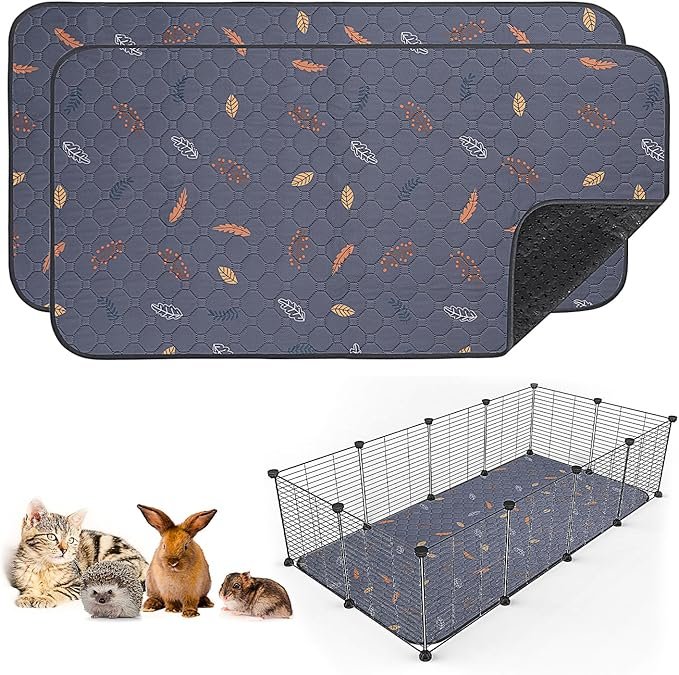
This washable pee pad offers both a waterproof barrier and absorbency. It is designed specifically for small animals and works perfectly as a middle layer.
U-Haul Furniture Pads
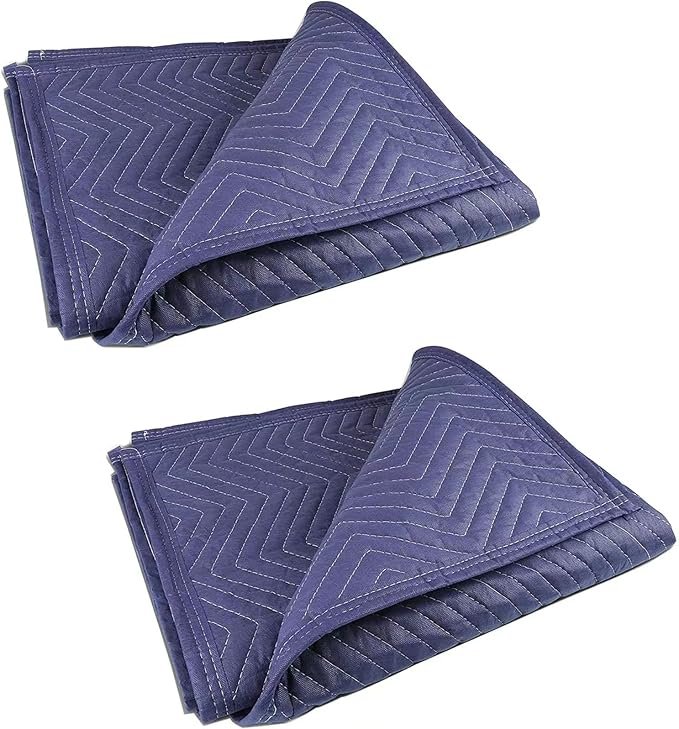
U-Haul Furniture Pads are the most popular option for a middle layer because of their high absorbency. This pad comes in packs of two and has the perfect size for a standard 2×4 C&C cage. You can easily fold the edges under or cut the pad to fit smaller cages. For larger cages like 2×5 or 2×6, you may need two pads and overlap them.
Disposable Cage Liners
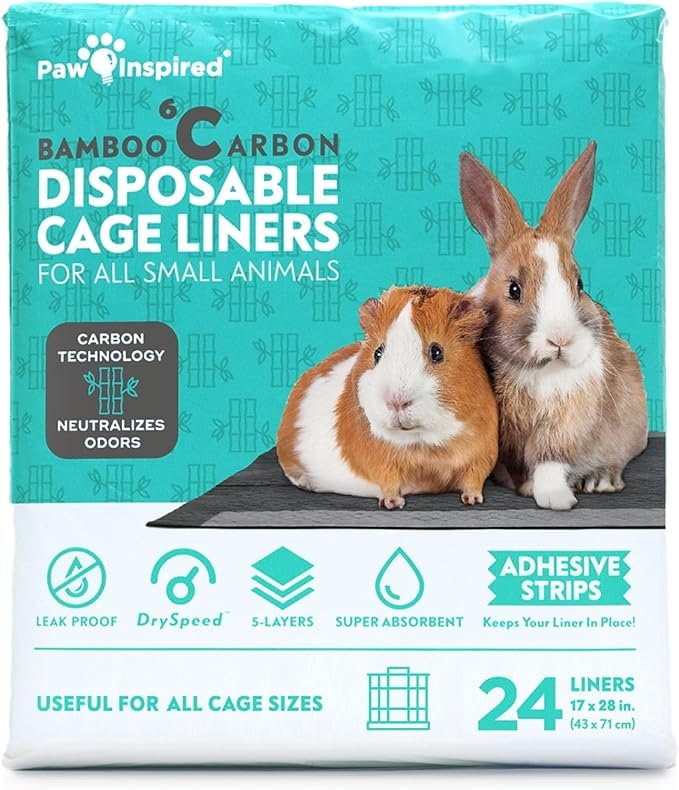
For convenience, there are also disposable liners that work great as an absorbent layer. However, these are also more expensive compared to reusable options.
These cage liners were designed specifically for small pets, with 5 layers of absorbency and available in a range of sizes. They can be used in smaller areas like litter boxes or for full cage coverage. The “Midwest” size (47×26″) fits the Midwest Guinea Habitat and most standard 2×3 and 2×4 C&C cages.
Towels
Towels are another viable option due to their high accessibility and reusability. However, they are also less absorbent than U-Haul pads.
Layer 3: Fleece
The top layer is the fleece. This is the surface your guinea pigs walk on and should always remain dry (by having urine soaked up by the middle layer). For this to work properly, the fleece must be 100% polyester. This allows urine to travel to the middle layer rather than remaining and spilling on the top.
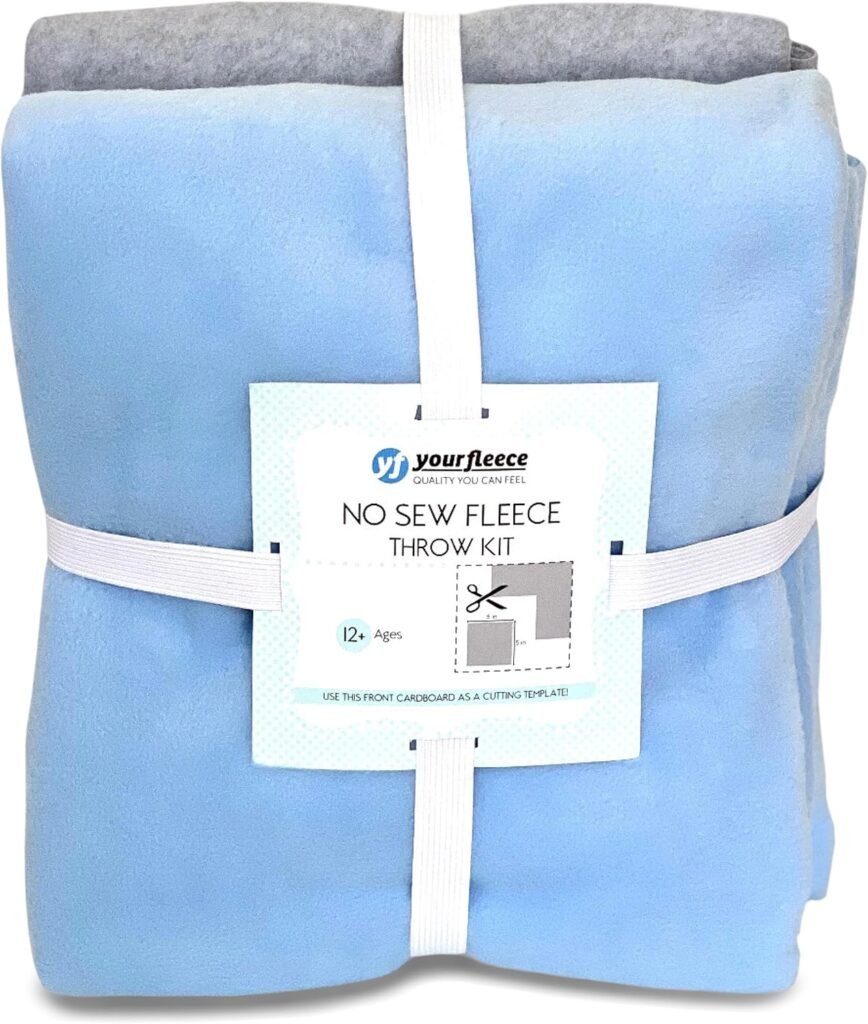
This 100% polyester anti-pill fleece from YourFleece is a great option for guinea pig cage bedding. It comes in a variety of cute patterns and solid colors to match any cage aesthetic.
It comes in two sizes — 50×60 inches which works well for 2×3 cages and 72×60 inches which is ideal for 2×4 cages. For larger cages you may need two pieces.
Make sure to wick before use.
You can find YourFleece on Amazon in multiple designs. For the full range visit the official YourFleece website here.
I also recommend going to physical stores such as Walmart, Hobby Lobby, or a fabric store like Joann Fabrics. These stores offer higher-quality fleece at comparable (or even cheaper) prices, and you can feel the thickness before buying.
How to Wick Fleece For Guinea Pig Bedding
- Must be 100% Polyester (Check the Label) and look for Anti-Pill or Blizzard Fleece
- Avoid any tagged with: Sherpa, Flannel, Plush, Minky, or Water Resistant.
- Wash the Fleece 3-4 times before use. This removes any water-repellent coating. DO NOT use fabric softener
Check out this video by Skinnypigs1: [How To Wick Fleece] to learn how to properly prep and wick fleece.
All-In-One Fleece Liner Recommendation
All-in-one fleece liners combine all three layers (waterproof base, absorbent middle and fleece top) into a single product. They are the easiest fleece option for beginners since no assembly is required. They come pre-sized to fit standard cages and many come pre-wicked and ready to use straight away.
The main downside is cost as All-in-One fleece liners are significantly more expensive than DIY fleece setups. However for owners who want a clean hassle free solution they are worth the investment.
The overall best is GuineaDad.
GuineaDad Fleece Liner
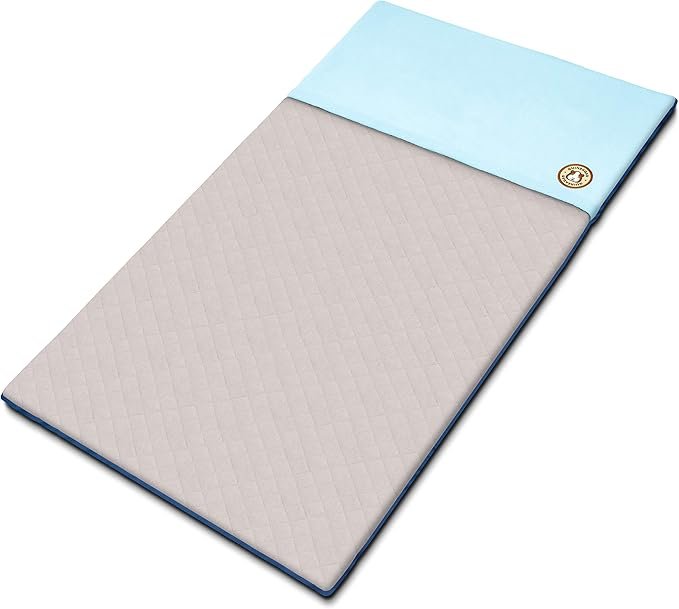
The GuineaDad fleece liner is the gold standard and one of the most recommended brands in the guinea pig community. A unique feature of this liner is the small pocket included. The pocket allows for burrowing and also functions as a hideout.
It comes pre-wicked for use.
You can also visit the GuineaDad website directly for possible lower prices and more size options.
Other Types of Guinea Pig Bedding
Hay: It has many functions, one of them being bedding. However, hay is better used as an addition with proper bedding or used for a small location as it does not absorb well and gets soiled quickly. It should never replace proper bedding.
Hemp: It is less absorbent compared to wood shavings or paper bedding and significantly more expensive.
Pellet: Pellet bedding is compressed paper pellets. These pellets are absorbent and can be used as bedding. However, they are also hard and produce a potentially irritating sawdust once they grow wet. So, it is not recommended to use it for the entire cage
Guinea Pig Bedding to Avoid
Newspaper: Poor absorbency and contains harmful ink.
Toilet Paper/Paper Towel: It has poor absorbency, and guinea pigs are often drawn to eat it.
Cat Litter: It contains chemicals, and excess dust can cause respiratory issues. If consumed, it can be life threatening.
Scented Bedding: Guinea pigs have sensitive noses that get irritated once exposed to overpowering scents. Always use unscented natural bedding.
Unsafe Wood: They contain aromatic oils, which can lead to health problems.
Choosing the Right Bedding for Your Guinea Pig
There’s no single “best” bedding. Each option has its own advantages and disadvantages; what matters most is your own preferences. Start with one type, and don’t be afraid to experiment or combine options to find what works best for you and your pets.
Related Guides:
[How to Set Up a Guinea Pig Cage]
[Guinea Pig Cage Cleaning Guide (Complete Schedule & Tips)]
[Best Guinea Pig Cages for Every Budget: Midwest and C&C Cages]