
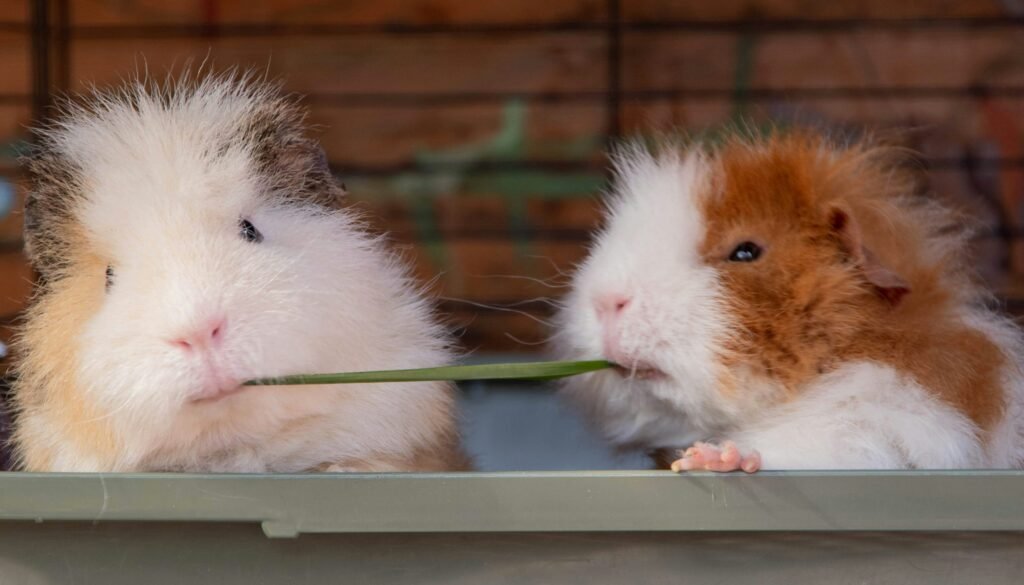
The term ‘bond’ refers to the introductory process of two or more guinea pigs meeting and forming a relationship. This process can range from a few hours to weeks or even months. Not all bondings work – some guinea pigs just have personalities that are too different from each other. Sometimes, they immediately click together, and you will find one shadowing the other for the rest of the duration.
This guide will show you how to bond guinea pigs.
First, however, is the question: Why should you bond your guinea pigs?
Guinea pigs are social herd animals, which means they stay within groups of their own kind. As they are prey animals, guinea pigs have evolved to live in herds for safety and protection. They have dynamic social structures where they follow the ‘dominant’ guinea pig and learn from their methods. They follow and observe how to get food, what areas are safe, the schedule, and anything that may be important for their survival. This is a need humans cannot replace.
These pets are emotionally intelligent; they are animals that thrive on companionship. Not just with humans, but also with their fellow guinea pigs. It is very important to always have more than one guinea pig. In some countries, it is actually illegal to adopt only one guinea pig. Why? Guinea pigs can get depressed. This depression can stem from feelings of loneliness that a human’s presence just cannot replace no matter how hard they try. You may notice your pet gradually becoming withdrawn, eating less, and speaking less.
Having a bond is one of the most important parts to keeping your pet happy.
Preparing to Bond Guinea Pigs
Before introducing a new guinea pig, you should first understand what guinea pig sounds mean. They are very vocal creatures, and most of the time, you can understand their feelings and views towards the new partner by listening to the sounds they make. These are a few common ones presented during the bonding process:
- Chutting: Soft clucking sound. Indicates curiosity or comfort
- Teeth Chattering: A sharp and fast “Click” sound. It’s a request for space. Your guinea pig is setting their boundaries. If the teeth chattering becomes louder, watch carefully as it may lead to a fight.
- Rumbling: A deep, vibrating growling sound. Very common during the bonding process
- Rumble-Strutting: A slow walk accompanied by rumbling. This is their way of asserting dominance and establishing the hierarchy.
- Squealing/Shrill Scream: A long, prolonged squeal. This is not good. It may happen if one is too stressed or during a fight. Separate them immediately
For a better understanding of guinea pig sounds, you can check Oxbow’s article here. They have in-depth explanations of each sound’s meanings and also have audio included!
Best Guinea Pig Pairings for Bonding
Some pairings have a higher ‘success rate’ than others. This can depend on factors such as gender, age, and temperament. Of course, there is no way to tell if they will 100% get along even if you account for all of them. If a bonding ever fails, do not force it. That would just result in stress and possible trauma for your guinea pigs.
The best combination is when guinea pigs are matched according to their temperaments and personalities. That means bonding an active guinea pig with another, and likewise a calm one with another as well.
Gender and age can also play decisive factors; females are much less territorial than their male counterparts and are therefore easier to bond. Age plays an important role, especially in same-sex male pairs. A younger guinea pig with an older one can be a good match, as the younger one may be less dominant. Trying to bond two male pairs of similar ages may be a bit more difficult.
But there are always exceptions.
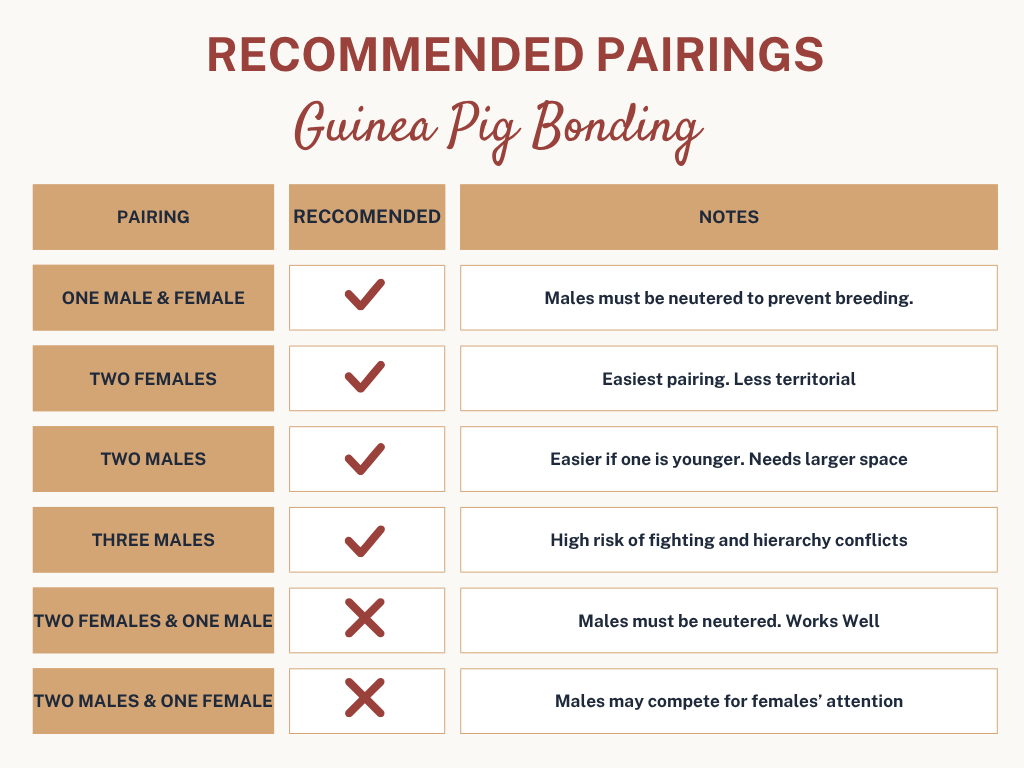
This graphic just illustrates pairings that have a greater chance of success. It is entirely possible for “non-recommended” pairings to still work. Always introduce pairs slowly.
Three or more guinea pigs can bond (but with considerably more difficulty and effort). Be prepared for failure, especially if you are introducing a new guinea pig to an already bonded pair.
How to Bond Guinea Pigs
The very first thing a guinea pig parent should do once they receive the new guinea pig is quarantine them. This means having the new addition in an entirely separate room from the old guinea pig, with a different cage and supplies. During this period, there should be no ‘cross-contamination’ between the guinea pigs. Wash yourself thoroughly when interacting between the two pets. This lasts for 2 weeks.
Quarantine is used for the health of your pets. You could never know if your new addition has a disease or anything contagious that may spread to your other pig. Observe its health and behavior. This time also allows the new guinea pig to relax and become comfortable in its new environment.
Once you have deemed it safe enough, you can begin slowly introducing them- but with a barrier. You can either place them in the same room inside different cages OR inside the same cage but with an unmovable barrier between them. This is to allow both guinea pigs to notice the other’s presence without directly forcing them into a closed space. Over time, you may notice your pets getting more comfortable with the others scent and even growing interested in meeting the other.
TIP: It is recommended to gradually start swapping each guinea pig’s belongings between them. For example, exchanging their hideouts or even sprinkling hay from each other’s cage. This is called “Scent Swapping.”
Introducing Guinea Pigs: Step-by-Step
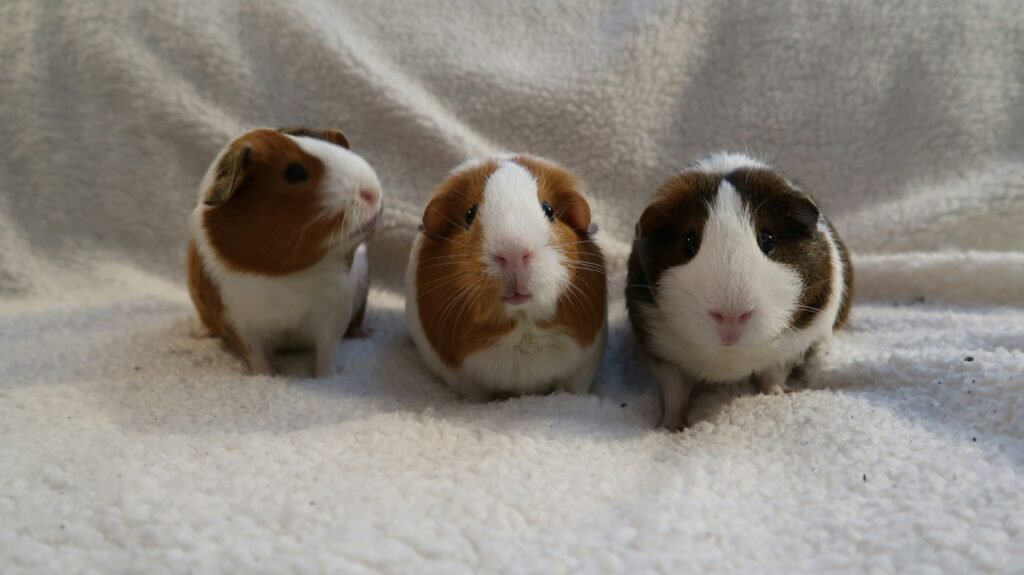
Create a neutral space. This space should have a neutral smell that does not smell like either guinea pig. This lessens the chance of territorial feelings and makes both guinea pigs feel they are entering a neutral location that neither has been into. Make sure this location is large enough- the recommended space for two guinea pigs in a permanent cage is 7.5 sq ft (2 x 3 C&C Grid), but since they are in the bonding process, try to provide the most space. I recommend a space around 10 – 15 sq ft. This is so each guinea pig can easily escape or run if they ever feel cornered or nervous.
Block all interfering factors, such as loud TV, children or other pets. Do not try to force the guinea pigs together. Give them time to build confidence and become comfortable enough to be close to each other
Side Note: When I first bonded my guinea pigs, I spread a clean blanket in the center of my living room and set up all the food there. That became the “food area.” Whenever one of them got agitated, they could wander around the room and return to the food area on their own.
Provide two of everything: two water sources, two hay piles, two of everything. Enough so that they do not fight over everything. Other signs include claiming the best spots for food, water, or hiding places, and being groomed by others. It’s important to provide enough space and resources so the dominant pig doesn’t hoard them, but separate guinea pigs only if there is a fight that draws blood.
Normal Dominance Behavior vs. Real Fighting
Guinea pigs almost always fight for dominance when they are introduced. That is the way they form their social hierarchy. There would be a more dominant guinea pig that is more assertive and a submissive one that follows the dominant pig. There are, however, rare exceptions where both guinea pigs can be considered ‘equal.’
These dominance fights show themselves in behaviors such as “rumble strutting,” teeth chattering, chasing, or mounting.
TIP: Always have thick gloves on or a towel on hand. Only interfere if there is a serious fight- separate them. Never put your bare hands between fighting guinea pigs. Watch them closely.
Failed Bonding
You will know if the bonding has failed once there is a serious fight. This will be consistent aggressive behavior such as biting, teeth baring, or lunging. Once blood has been drawn, separate them immediately. Put a barrier in between them to prevent any more contact.
In this situation, you have two options: Rehoming one guinea pig or separating them. It is possible to attempt to bond them again.
Rehoming
The simplest option is to remove a guinea pig entirely. You can rehome a guinea pig to a different home or give them to a shelter/rescue. Try with another guinea pig.
Permanent Separation
If you cannot (or don’t want to) rehome the other guinea pig, put them into a separate cage entirely. This means each guinea pig will have a separate cage. While they can no longer physically interact with each other, your guinea pigs will be aware of the other’s presence and still benefit from the social nature, even if the bonding had failed.
Now, you can also attempt another bonding. However, they need a cooling period of around 1-2 weeks or even longer if they remain aggressive. Enough for them to forget the bad experience and ‘restart.’ Set up the neutral area and observe. If this second attempt ends in another fight, I personally recommend that you do not try again. Some pairs will simply never get along, no matter how hard you try.
Repeated failed bonds can cause lasting stress (and would be even harder to bond) and injury.
Successful Bonding
When a bonding is successful, you will start to notice that your guinea pigs are willingly sharing their space. They will be sharing food and may even start showing physical closeness, and calmer behavior will be presented. An occasional teeth chatter or rumble strut may still be present but that is common; it’s just their way of reinforcing the hierarchy.
Conclusion
Knowing how to bond guinea pigs can help owners avoid a lot of common mistakes and reduce the risk of a failed bond. It takes a lot of preparation and observation to ensure the safety of both parties, but it is worth it. Once successful, the result will lead to a happy and healthy companionship that enriches your pets’ lives. Not every pairing works, and that’s okay – some relationships just do not work out. Never try to force a bond, and remember, the goal is to ensure all your guinea pigs are safe and happy.
Now that you have bonded your guinea pigs, learn how to set up their cage in this guide [How to Set Up a Guinea Pig Cage], or check out other guides on [Guinea Pig Grooming], and [How Often to Clean a Guinea Pig Cage].