
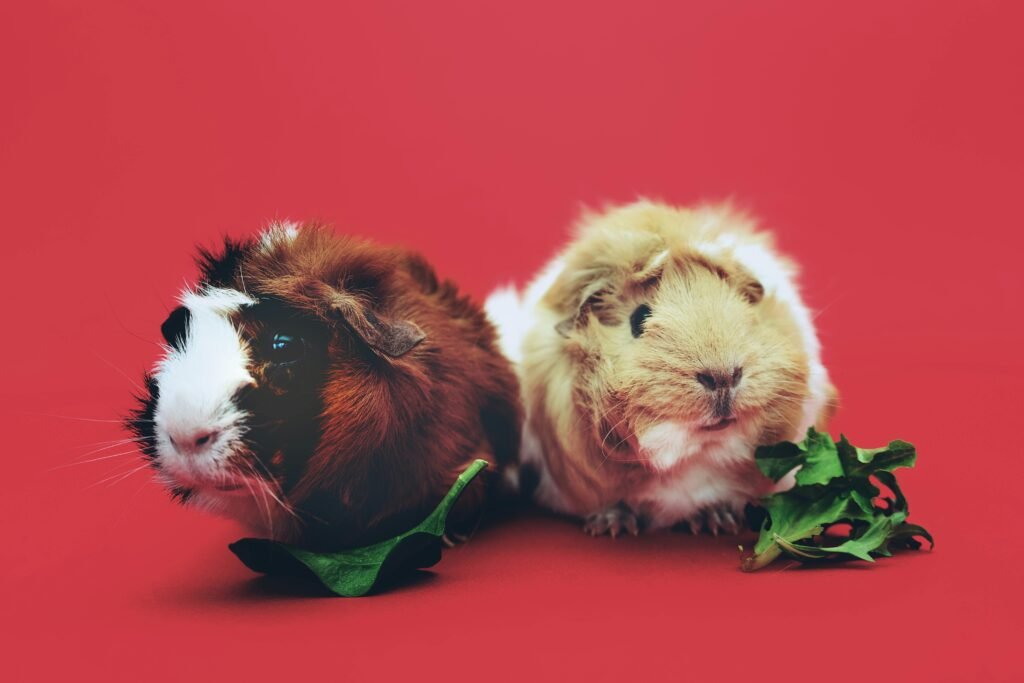
Vegetables are one of the most important aspects of your guinea pigs’ diet. They’re your pet’s main source of Vitamin C and are crucial to their health. With the large range of vegetables out there, it can be hard to figure out which ones are safe – especially since some can be harmful. This guide breaks down the best vegetables for guinea pigs, along with feeding amounts, frequency, and important safety notes. This guide is regularly updated to ensure accuracy.
For the fruits list, look here: [Safe Fruits for Guinea Pigs: Complete Guide].
If you search online, you’ll find plenty of mixed opinions about which vegetables guinea pigs can eat. Different sources often provide conflicting advice. That is because guinea pigs are sensitive animals. Some can tolerate certain foods better than others. Always monitor your pet when introducing new vegetables.
Variety is key; always offer a mixture of different types of vegetables to ensure your pet receives a full range of nutrients. Avoid offering just one option. Remember to wash and remove any seeds or inedible parts.
Leafy Greens
A good portion of leafy greens can be offered daily. These vegetables will typically be the bulk of your guinea pigs’ intake, with a few exceptions that are a bit higher in calcium. Leafy greens are composed of vitamin C, fiber, calcium, and a mix of other vitamins and minerals.
Lettuce has high water content, so it is always important to mix it with other vegetables.
| Vegetable | Safe (Yes/No) | Amount per Guinea Pig | Note |
| Romaine Lettuce | Yes | Daily (1-2 leaves) | Has the highest amount of vitamin C among the “lettuce types” |
| Green Leaf Lettuce | Yes | Daily (1-2 leaves) | Moderate vitamin C. A great option for daily feeding. It contains more ‘balanced nutrients.’ |
| Boston (Butterhead) Lettuce | Yes | Daily (1-2 leaves) | Moderate vitamin C. Its soft texture makes it easier to chew |
| Red Leaf Lettuce | Yes | Daily (1-2 leaves) | Moderate vitamin C. Adds variety and color. |
| Iceberg Lettuce | NO | NEVER | It has practically no nutritional value. There is also a high water content that may lead to digestive issues |
Some leafy greens have a high calcium content. Guinea pigs can consume calcium, BUT having too much can increase the risk of your pet developing bladder stones. These options should be fed sparingly- around a few times a week.
| Vegetable | Safe (Yes/No) | Amount per Guinea Pig | Note |
| Parsley | Yes | Two to three times per week (2-3 sprigs) | Parsley is an excellent source of vitamin C. However, it contains high levels of calcium and a moderate amount of oxalates |
| Cilantro | Yes | Daily. Only in small amounts, along with other vegetables | Cilantro has less calcium, so it can be fed slightly more. Moderate amount of vitamin C |
| Spinach Leaves | Yes | Once or twice a week (1-2 leaves) | High in calcium and very high in oxalates. Good source of vitamin C |
| Asparagus | Yes | Once or twice a week (1 small stalk) | Great as an occasional addition. Moderate calcium. Can cause mild bloating if overfed |
| Arugula (Rocket) | Yes | Once or twice a week (1–2 small leaves, or a handful if chopped) | Peppery flavor. Good for variety. It has a moderate amount of calcium |
| Watercress | Yes | Once or twice a week (1 sprig) | Good source of vitamin C. Contains oxalates and calcium |
Side Note: Oxalates are another risk factor that can lead to bladder stones. Small amounts are safe, but a diet high in oxalates— especially when paired with high calcium— can cause the two to bind together and form calcium-oxalate stones. When feeding any vegetable high in oxalates, pair them with low-calcium and low-oxalate options such as lettuce or bell pepper. Avoid offering it with other calcium-dense options
High Vitamin C Options
These types of vegetables are high in Vitamin C and can be fed daily in moderation. This section has vegetables from the Solanaceae (Nightshade) family.
To learn more about the importance of vitamin C and other great options, refer to this guide by VeterinaryPartners: [Vitamin C Supplements for Guinea Pigs]
| Vegetable | Safe (Yes/No) | Amount per Guinea Pig | Note |
| Red Bell Pepper | Yes | Three to four times per week (2 vertical slices) | The number one option for guinea pigs. Very high vitamin C |
| Orange Bell Pepper | Yes | Three to four times per week (2 vertical slices) | Slightly less vitamin C than red. |
| Yellow Bell Pepper | Yes | Daily or every other day (2 vertical slices) | Good balance of vitamin C and sugar; safe for regular feeding. |
| Green Bell Pepper | Yes | Daily (2 vertical slices) | Contains the least amount of vitamin C among the bell peppers, but it can be fed more regularly. |
| Eggplant | Yes (Look at Notes) | Once a week or less (1-2 small cubes or thin slices) | It has low nutritional value. Better options are available. Only feed the flesh. Remove its skin, leaves and stems; they are toxic to guinea pigs. |
| Potato | NO | NEVER | They can be fatal. Potatoes contain a dangerous toxin. ⚠️ See the full toxic vegetable list below |
| Tomato | Yes (Look at Notes) | Two to three times per week (1-2 small slices) | Only feed ripe, red tomatoes. Green/unripe tomatoes are toxic. Remove its leaves and stems. The skin is safe. |
Side Note: All types of bell peppers are great for guinea pigs. Their vitamin C content varies by color. Red has the most, followed by orange, yellow, and then green. However, green and yellow bell peppers contain less sugar and can be offered more frequently than the red and orange varieties.
This section is composed of vegetables from the Cruciferous/Brassica Vegetables family. They are rich in vitamin C but can result in bloating if fed excessively.
| Vegetable | Safe (Yes/No) | Amount per Guinea Pig | Note |
| Broccoli | Yes | Two to three times per week. (1-2 florets) | Very high vitamin C. can cause bloating |
| Cauliflower | Yes | Two to three times per week. (1-2 florets) | Vitamin C-rich, contains fiber. Can cause bloating |
| Cabbage | Yes | Once or twice a week. (Half a leaf) | Remove outer leaves. It can cause bloating. |
| Kale | Yes | Once or twice a week (One leaf) | Excellent source for vitamin C, but very high in calcium. It can cause bloating. |
| Bok Choy | Yes | Two to three times per week (One stalk) | Good source of vitamin C, but also high in calcium. It can cause bloating if overfed. |
| Turnip Greens | Yes | Two to three times per week (One leaf) | Rich in both vitamin C and calcium. Contains a moderate amount of oxalates. Can cause bloating. |
| Mustard Greens | Yes | Two to three times per week (One leaf) | Rich in both vitamin C and calcium. Contains a moderate amount of oxalates. Can cause bloating. |
| Collard Greens | Yes | Two to three times per week (One leaf) | Rich in both vitamin C and calcium. Contains a moderate amount of oxalates. Can cause bloating. |
| Brussel Sprouts | Yes | Once or twice a week (2-3 leaves or 1 sprout) | High vitamin C and moderate calcium. Can cause bloating. |
Side Note: Bloating (Gas Buildup) happens when a large amount of gas builds up within the digestive tract. This will give your guinea pig severe pain and swelling. This typically occurs when a guinea pig doesn’t consume enough fiber (Hay is their main source) and consumes large amounts of cruciferous vegetables such as broccoli and kale. Avoid mixing several cruciferous veggies.
Vegetables such as Kale, Turnip, and Mustard Greens are a part of both the Leafy Greens and Cruciferous families.
Watery Vegetables
These vegetables are good for hydration. They have high water content and low sugar. An excessive amount can lead to soft or runny stool. However, these options are great for keeping your pet hydrated, especially in hot weather.
| Vegetable | Safe (Yes/No) | Amount per Guinea Pig | Note |
| Celery | Yes | Two to three times per week. (1 stalk, cut into small pieces) | Very watery. Contains small strings that can cause choking. Always cut it into thin slices or small pieces. |
| Cucumber | Yes | Two to three times per week (2-3 slices) | Very watery & low nutritional value. Seeds are soft and small but can be removed if preferred. |
| Zucchini (Courgette) | Yes | Two to three times per week (2-3 slices) | Very watery. Offers low vitamin C and fiber for digestion. Seeds are soft and small but can be removed if preferred. |
| Pumpkin | Yes | Two to three times per week (1-2 small cubes) | Rich in vitamin A and moderate sugar. Use as a treat. Remove the rind and seeds. |
Side Note: Most types of squash are safe for guinea pigs in moderation. Summer squash (Zucchini, Yellow Squash) has less sugar and can be fed more regularly compared to winter squash (butternut, acorn, pumpkin). The skin is safe to eat.
Sugary Vegetables
These vegetables have a high sugar content and should be fed as treats
| Vegetable | Safe (Yes/No) | Amount per Guinea Pig | Note |
| Carrot | Yes | Two to three times per week. Small amounts | Sugary. Offer in small pieces. Carrot leaves are high in vitamin C |
| Sweet Potato | Yes | Once or twice a week (1-2 small cubes) | High in sugar. Unlike regular potatoes, they are not toxic |
| Beetroot | Yes | Two to three times per week (1-2 small pieces) | Not to be confused with rhubarb. Guinea pigs can eat any part of a beet. Contains sugar |
| Beet Leaves | Yes | Two to three times per week (1 leaf) | High oxalates and calcium |
| Corn | Yes | Two to three times per week. Small amount. | Feed fresh, raw corn (Remove from cob). Use as a treat. Every part of the corn, including the husk and silk, is edible. Avoid canned or cooked corn. |
| Snap Peas | Yes | Two to three times per week (1-2 peas) | Great treat. Provides fiber and vitamin C |
Others
| Vegetable | Safe (Yes/No) | Amount per Guinea Pig | Note |
| Green Beans | Yes | Two to three times per week (1-2 beans) | Good for variety, moderate sugar and fiber; safe as an occasional treat |
| Fennel | Yes | Two to three times per week (1-2 thin slices of bulb, or a few fronds) | Herb that is high in vitamin C, fiber, and antioxidants. Provides various health benefits. Can upset the stomach if overfed. |
| Endives | Yes | Two to three times per week (1-2 leaves) | High nutrients |
Vegetables to Avoid
⚠️WARNING: This section includes toxic or dangerous vegetables. NEVER FEED
All the vegetables within this section should never be fed to guinea pigs under any circumstances. These can cause serious health issues, digestive problems, or even be fatal.
| Vegetable | Safe (Yes/No) | Amount per Guinea Pig | Note |
| Avocado | NO | NEVER | Contains toxins. Can be fatal |
| Rhubarb | NO | NEVER | Toxins can lead to kidney damage and be fatal |
| Onion | NO | NEVER | Toxins can damage the red blood cells. |
| Garlic | NO | NEVER | Toxins can damage the red blood cells. |
| Mushrooms | NO | NEVER | Toxins can be fatal. Guinea pigs cannot properly digest them. |
| Chili Peppers | NO | NEVER | Unlike Bell peppers, Chili Peppers contain capsaicin. They are too hot for guinea pigs. and can cause mouth burns and pain if eaten. |
| Mature Raw Beans | NO | NEVER | Contains a harmful toxin |
| Potato | NO | NEVER | They can be fatal. Potatoes contain a dangerous toxin. |
| Unripe Vegetables | NO | NEVER | Low nutritional value. They can also be harder to digest and lead to diarrhea or stomach upset. Some can have toxins. |
| Canned Vegetables | NO | NEVER | Canned vegetables often have added preservatives. These can have extra sugar and harmful additives. |
| Frozen Vegetables | NO | NEVER | Low nutritional value. Its cold temperature can upset their stomach |
| Cooked Vegetables | NO | NEVER | Guinea pigs should never have anything cooked. |
Side Note: ‘Mature Raw Beans’ refer to all dried/uncooked beans such as kidney, pinto, black, lima, chickpeas, and similar legumes. These contain lectin toxins that can cause severe digestive issues, including diarrhea and vomiting. Always avoid feeding any type of raw or dried bean.
How to Introduce a New Vegetable
Guinea pigs can be quite sensitive to new foods. When introducing anything unfamiliar, it is important to do so gradually and in small amounts. Observe your guinea pig’s reaction before offering more. This gives your pet’s gut enough time to adjust. Be patient, it is normal for your guinea pig to prefer certain foods over others. It will take time for a guinea pig to accept a new food.
If your guinea pig seems hesitant or refuses to eat a new vegetable, try a few of these strategies:
- Change the cut or shape: Some guinea pigs prefer smaller or thinner slices. Adjusting the size and shape can make the food more appealing.
- Mix with familiar favorites: Finely chop the new vegetable and combine it with foods your guinea pig already enjoys, such as hay, pellets, or favorite veggies.
- Offer it at different times of day: Try giving the new food when your guinea pig is a bit hungrier, such as before their usual meal.
- Hand-feed small pieces: If your guinea pig trusts you, try hand-feeding. Offering food directly from your hand can make them curious enough to try.
- Experiment with texture or temperature: Some guinea pigs prefer dry and ‘crunchy’ pieces, while others might respond better to softer or slightly moistened ones (e.g., rinsed and lightly dried).
- Repeat exposure: Even if your guinea pig avoids it, keep attempting. It is normal to take multiple attempts. Don’t give up after one or two tries.
- Use scent pairing: Place a small piece of the new vegetable near a familiar one so the scent carries over. This can make the new food smell less intimidating.
Personal Recommendation
There is no “best” vegetable; it all depends on your guinea pigs’ preferences and how they are paired. Avoid using the same vegetables every day. It is always better to continuously add new vegetables to keep your pets occupied.
I always use lettuce as a ‘base’ for my guinea pig’s plates. Lettuce is a ‘universal’ vegetable that I believe almost every guinea pig loves, so I always include one type (Romaine, Green Leaf, etc.) For vitamin C, I typically use either bell peppers or cilantro. They also love watery vegetables such as celery or cucumber. Once in a while, I would include more ‘heavy’ vegetables such as kale, parsley, and carrots (as a treat)!
To create a balanced daily meal, choose one vegetable from each section—leafy greens (as your base), a high vitamin C option, and a watery or occasional treat vegetable. This ensures variety and balanced nutrition. For more information on your guinea pig’s nutrition, refer to these guides: [Safe Fruits for Guinea Pigs: Complete Guide] and [Complete Guinea Pig Diet Guide (2025): Hay, Pellets & Nutrition].