
Many new owners do not realize how easy a guinea pig can fall sick. Even with the utmost care there is no certainty that your pet will always remain healthy. That is why it is important to understand the most common guinea pig illnesses. Not only to detect any warning signs but also to learn how to prevent these issues from occurring.
Compared to other pets, smaller animals like guinea pigs are very sensitive. Their health can change quickly without any notice. They are also prey animals. That means guinea pigs are prone to hiding anything that may be wrong with them. By the time they start showing visible signs, it is possible they may have already been experiencing them for a long period of time.
This guide will go over the most common guinea pig diseases and illnesses that owners should be aware of. This is a quick overview that runs through each illness, symptoms, as well as its cause.
It is NOT a replacement for a veterinarian’s advice. Remember to always consult with a veterinarian regarding the health of your pet.
Refer to this guide: [Sick Guinea Pig: Warning Signs & When to See a Vet] to learn more about early detection and a more in-depth look into the warning signs of a sick guinea pig.
Most Common Guinea Pig Illnesses & Diseases
While the same illness may look different from one guinea pig to another, changes in behavior are a consistent red flag no matter the situation. Understanding your pet and paying attention to any unusual behavior is the best way to identify an illness before it progresses further. Whenever you are in doubt, the best course of action is to always relay your concerns to a veterinarian.
These are all the general prognosis of the most common guinea pig illnesses and their symptoms.
View the Table of Contents
Table of Contents
Guinea Pig Dental Problems
Dental issues are exceedingly common in guinea pigs because their teeth are always growing. A guinea pig must have a high fiber diet consisting of hay to trim and maintain their teeth.
Hay should be the majority of a guinea pig’s daily diet, specifically around 80% and roughly around the size of their body. Eating this hay on a daily basis naturally wears down a guinea pig’s teeth and is the most important part in developing healthy teeth. Providing other items like chew toys also work to file down teeth.
The majority of dental issues are caused by a lack of hay in a guinea pig’s diet.
Malocclusion (Misaligned Teeth)
This occurs when the upper and lower teeth do not meet properly during chewing; the teeth become misaligned, and their abnormal position can cut into the tongue or cheeks. It may result in pain while eating or excessive drooling.
As the condition worsens, the guinea pig may begin avoiding harder foods or refuse food entirely.
While a lack of hay can lead to misaligned teeth, this condition is also genetic. Most guinea pig with malocclusion are born with it.
Overgrown Teeth
Teeth that has not been properly worn down will continue to grow. Guinea pig teeth never stops growing. Without enough hay, it can grow too long and create sharp points known as “spurs” that cut into the cheeks and tongue.
Once these teeth are overgrown, it can make it nearly impossible to eat.
Overgrowth teeth is usually accompanied with misaligned teeth.
Digestive Guinea Pig Illnesses
Guinea pigs are known for having extremely sensitive guts. That is why they need a balanced diet.
Even small disruptions can quickly lead to serious problems, and digestive issues in guinea pigs are often more life-threatening than other common health concerns. Their guts are so fragile that anything that alters normal digestion, whether it is changes in diet or even stress, can have serious consequences.
Issues with the gut can result in changes in eating behavior and guinea pig poop. To understand all they types of poop and its causes, check this guide: [Guinea Pig Poop Guide: What Every Type Means for Their Health].
Diarrhea
Any form of diarrhea in guinea pigs is a medical emergency. Diarrhea range from very watery poop with chunks to fully liquid with no solid pieces at all. It has a strong foul odor and may stick to the fur around your guinea pig’s rear end.
If you are even uncertain whether your guinea pig has diarrhea, please contact a vet immediately.
Diarrhea can be fatal in just 24-48 hours.
Once diarrhea begins, your guinea pig loses fluids rapidly and becomes dangerously dehydrated in a short period of time. Bacteria may also build up in the system and produce toxins that cause severe damage to the gut.
The most common cause is a dietary imbalance; too many watery foods like lettuce or celery and not enough hay. However diarrhea can also be a symptom of a more serious underlying condition such as a bacterial or parasitic infection, or even severe stress.
Regardless of the cause this is an emergency. Contact your vet immediately.
Fecal Impaction
Fecal Impaction happens when a solid mass of poop blocks the anal opening. This stool hardens and becomes stuck and creates a blockage. As more poop accumulates behind it with nowhere to go, the blockage grows larger and more severe. Any poop that does manage to pass may appear abnormally large and misshapen. This is clumped poop.
Your guinea pig may stop pooping entirely, although in some cases liquid diarrhea can still pass through the solid obstruction.
As feces continue to build up inside the body so does the food they consume. This causes painful bloating that can lead to a rupture if left untreated.
Fecal impaction becomes more common as guinea pigs age. Older male guinea pigs are at the highest risk as the anal muscles weaken over time. An improper diet (one lacking in hay and hydration) can also contribute by creating hard and dry stool that is difficult to pass.
The moment you notice your guinea pig has stopped pooping, contact a vet immediately.
GI Stasis
GI Stasis is one of the most dangerous guinea pig illnesses and can develop within just hours. It happens when a guinea pig stops eating. If they stop eating for even 6 to 8 hours, it is considered an emergency. That is because unlike other animals, guinea pigs cannot go long without food. Once they do, their digestive system can shut down completely. All food within the gut will remain and build up with nowhere to go.
As the digestive system slows bacteria begins to multiply rapidly inside the gut. These bacteria produce gas and toxins that cause painful bloating and further damage to the digestive tract. The longer the gut remains inactive the harder it becomes to restart and the more dangerous the situation becomes.
GI Stasis can be triggered by a number of factors. The most common cause is a lack of hay. Without a constant supply of fiber the gut simply has nothing to keep it moving. Anything else that affects a guinea pig’s eating behavior such as sudden dietary changes or pain from other underlying guinea pig illnesses (such as dental conditions) can also be at fault.
A guinea pig’s digestive system depends on a constant intake of food to keep it active. The longer they go without eating, the higher the risk of fatal gut shutdown. Contact a vet the moment your guinea pig stops eating.
Guinea Pig Respiratory Illnesses and Infections
Guinea pigs rely almost entirely on nasal breathing.
That is why once their nose is irritated or blocked, a guinea pig’s health they can worsen quickly. Unlike most animals, they cannot easily switch to breathing through their mouth due to their small airways. So any blockage in the nasal passage, no matter how small, can be life-threatening.
Open-mouth breathing indicates severe respiratory distress.
A blockage can result from an assortment of factors. Everyday irritants like dust, strong smells, and poor ventilation can inflame the nasal passages. Other issues like bacterial and viral infections invade the nasal passages.
A poor environment is one of the most common causes of respiratory infections. However, infections can still occur in a clean environment if a guinea pig is exposed to a sick animal or certain pathogens.
To learn how and when to properly clean a guinea pig cage, see this guide: [Guinea Pig Cage Cleaning Guide (Complete Schedule & Tips)]. Soiled bedding and an accumulation of feces and urine acts as a catalyst that allows bacteria to grow and multiply.
Pneumonia
A lung infection that inflame the airways and impedes breathing. Pneumonia causes fluid to buildup within the lungs and reduces the amount of space for air to circulate.
Pneumonia in guinea pigs is most frequently caused by bacteria known as Bordetella bronchiseptica and Streptococcus pneumoniae. These bacteria are most commonly transmitted from other animals, but can also grow from a dirty cage.
Guinea pig pneumonia is life-threatening.
Upper Respiratory Infections (URIs)
Upper respiratory infections are common guinea pig illnesses typically caused by bacteria that grow through drafts and poor ventilation. These include infections of the nose, throat, and upper airways.
Symptoms include sneezing, nasal discharge, watery eyes, and reduced activity.
Nutritional Guinea Pig Diseases & Deficiencies
The food a guinea pig eats must be nutritionally balanced to support their health. In addition to hay, guinea pigs also need vegetables and optionally pellets to absorb essential nutrients.
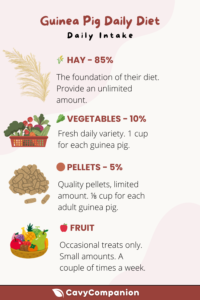
Guinea pigs must constantly eat to keep their gut functioning. But they must also eat right to maintain enough nutrients. Any abrupt dietary changes or deficiencies are often the cause of many guinea pig health conditions. That is why knowing what a guinea pig can and cannot eat is essential. Check out this guide for a full breakdown: [Complete Guinea Pig Diet Guide: Hay, Pellets & Nutrition].
Scurvy
Guinea pigs cannot produce their own vitamin C. The only way for them to obtain enough is through their diet, specifically through fresh vegetables. Each guinea pig requires around 1 cup of vegetables daily to meet their nutritional needs.
A guinea pig that does not receive enough vegetables is at risk of vitamin C deficiency, commonly known as Scurvy. This vitamin is essential for immune function, wound healing, and collagen formation. Without it, the body gradually breaks down.
Early symptoms of Scurvy include lethargy, a rough or dull coat, reluctance to move, and swollen or painful joints. As the condition progresses, symptoms worsen and can include bleeding gums, weight loss, and difficulty walking. Scurvy is one of the few guinea pig illnesses that is entirely preventable with the right diet and, if left untreated, can be fatal.
The simplest way to prevent Scurvy is by providing a consistent daily serving of vitamin C rich vegetables. Now, not all vegetables contain adequate levels of vitamin C, so it is important to know which ones do. A full breakdown of safe vegetables and their nutritional value can be found here: [Safe Vegetables for Guinea Pigs: Complete Guide].
The best source for vitamin C are bell peppers.
Urinary Guinea Pig Illnesses & Bladder Issues
Urinary guinea pig illnesses are more common as they age. These issues can range from painful infections to dangerous blockages that require immediate veterinary care.
Bladder Stones
Bladder stones are a painful guinea pig illness that develops when calcium crystallizes in the bladder. When an excess amount of calcium is consumed, there is a risk of the formation of bladder stones.
Calcium itself is not harmful. It is an important mineral for guinea pigs, but this becomes a problem when too much calcium is consumed. Excessive amounts can cause it to crystallize and form stones in the bladder. These stones interfere with normal urination and, in severe cases, can completely block the urinary tract.
The main source of calcium is vegetables. Some vegetables are significantly higher in calcium than others (such as kale and parsley). Always check its calcium content and make sure to not feed too much calcium-rich vegetables. These should be fed sparingly and rotated with lower calcium options.
Urinary Tract Infection (UTIs)
A guinea pig can get a UTI through bacterial infections. This happens when the bacteria from their waste travels up and enters the bladder. This type of bacterial infection is more likely to develop in unclean cages with soiled or wet bedding.
Female guinea pigs are more susceptible due to their shorter urethras that makes it easier for bacteria to reach the bladder.
UTIs cause inflammation and pain during urination. You may notice blood in the urine. It left untreated UTIs can progress into a more serious kidney infection.
Reproductive Guinea Pig Conditions (Female Only)
The following guinea pig conditions are exclusive to females and are among the most serious health issues a female guinea pig can experience. Many require veterinary intervention and, in some cases, surgical treatment.
Dystocia (Difficult Birth)
Dystocia occurs when a pregnant guinea pig is unable to deliver her babies naturally. It is a life-threatening emergency for both the mother and her babies and requires immediate veterinary attention.
Dystocia is most common in female guinea pigs experiencing their first pregnancy. By this point the pelvic bones may have already begun to fuse which makes it difficult for babies to pass through. Guinea pigs who have previously given birth are at lower risk, though complications can still occur.
Ovarian Cysts
Ovarian cysts are among the most common guinea pig conditions affecting older female guinea pigs. These develop on the ovaries, a small reproductive organ that store and releases eggs during reproduction and produces hormones. However, they can also produce too much or too little hormones which can lead to a hormonal imbalance. Guinea pigs that have never been pregnant or have frequent heat cycles are at a greater risk.
Ovarian cysts are more likely to develop as a guinea pig grows older.
Most cysts are benign, but they can grow very large and cause pain, and behavioral changes. Affected guinea pigs may show signs of hair loss near the abdomen and display odd behavior like increased mounting toward cage mates, or discomfort when handled around the abdomen.
In severe cases, large cysts can press on surrounding organs and cause complications. Treatment options include hormonal therapy to shrink the cysts or a surgical removal known as spaying.
Spaying is the only permanent solution that completely eliminates the risk of cysts. During this procedure, the ovaries are removed, the organ that caused the cysts in the first place.
However, spaying is also a risky procedure that needs time to consider if it is worth it. Refer to this guide for more information: [Spaying and Neutering Guinea Pigs: Complete Guide to Safety & Recovery].
Skin and Parasitic Guinea Pig Conditions
Parasites and foot conditions are among the most common yet preventable conditions in guinea pigs.
These issues often result from poor cage hygiene or unsuitable bedding.
Bumblefoot
The name “bumblefoot” comes from the hard, swollen “bumble” that forms on a guinea pig’s footpad. The affected foot may appear abnormally red with developing scabs or open sores. In some cases, the guinea pig may begin to limp to avoid putting weight and pressure on the affected foot.
Bumblefoot is caused by either a bacterial infection, poor flooring, or a combination of both.
When the skin on a guinea pig’s foot is damaged, it creates an entry point for bacteria. These bacteria can cause a rapid and painful infection once it enters through the broken skin.
In most cases the initial skin damage comes from inappropriate flooring. Guinea pig feet are extremely sensitive and require soft bedding at all times. They can not be on rough surfaces such as wire flooring or hard-wood floors. Improper cage hygiene can also play a part, specifically urine-soaked bedding which can irritate the skin and make it vulnerable to bacterial infections.
Overweight guinea pigs are at a higher risk due to the increased pressure placed on their feet.
Like many guinea pig illnesses, bumblefoot is treatable in its early stages but can become serious if left on its own. If you notice any redness, swelling or pain when walking (especially limping), contact a vet.
Parasites
Parasitic infections can spread through contact with infected animals or contaminated environments.
These ‘environments’ are usually the cage. Poor cage hygiene is a major contributing factor in the development and spread of many of these parasites. Any area with a large accumulation of waste can attract all sorts of parasites and bacteria. Once present in the environment, it is only a matter of time before they latch onto your guinea pig.
Guinea pigs can be affected by several types of parasites such as mites, lice, and fungal infections like ringworm. It is also worth noting that some of these parasites and/or infections can transfer from guinea pigs to humans, so prompt treatment protects both your pet and your household.
The most common sign of any parasite infestation is intense itching. While guinea pigs do groom themselves regularly, parasite-related scratching is noticeably excessive. They would scratch themselves constantly, sometimes to the point of injuring themselves. This may result in open wounds or hair loss.
Parasites requires a vet’s attention. It cannot be treated at home.
Temperature
The ideal temperature range for guinea pigs is 65-75°F (18-23°C). Anything below or above this range can be dangerous. Guinea pigs cannot tolerate extreme temperatures. This is the same for both long-haired and short-haired guinea pigs.
Temperature related guinea pig health conditions are among the most preventable with the right environment.
Hyperthermia & Heat Stroke
When temperatures rise above 75°F–80°F (24°C–26°C), the risk of a heat stroke increases. Once it passes 80°F this heatstroke can become fatal. It can kill a guinea pig in as little as 10 to 15 minutes.
Guinea pigs have no sweat glands and cannot regulate their body temperature by sweating the way humans do. They have no natural way to cool themselves down.
Heatstroke is an emergency. The most common signs include drooling, rapid and/or open mouth breathing, and body convulsions.
If you suspect heatstroke move your guinea pig to a cool or shaded area immediately and contact a vet. Do not use ice or very cold water to cool them down rapidly as this can cause shock.
Always keep guinea pigs away from direct sunlight and heat sources. If using a radiator or heater make sure it is never pointing directly at their cage and is kept as far away as possible.
Hypothermia & Torpor
Temperatures below 60°F (15°C) put your guinea pig at a high risk of hypothermia. A cold guinea pig will show visible signs. This may be them feeling cold to the touch, shivering or becoming unusually still and lethargic.
In severe cases, prolonged contact with coldness can cause a dangerous condition known as torpor. This is a state where guinea pigs become completely unresponsive to the outside world. It may look like deep sleep or hibernation. Guinea pigs enter torpor as a type of ’emergency response’ to reserve as much energy as possible to fend off against the cold.
If you ever find your guinea pig in this state do not try to warm them up rapidly. Move them to a warmer area and contact a vet immediately.
Guinea Pig Antibiotics
If you are ever considering giving your guinea pig antibiotics please only do so under the direct guidance of a veterinarian. Many common antibiotics that are safe for other animals are actually toxic to guinea pigs and can be fatal.
Only use antibiotics that have been specifically prescribed by an exotic pet veterinarian. Follow their instructions carefully and do not hesitate to ask any questions you may have about the treatment.
Antibiotic Toxicity
Antibiotic toxicity occurs when a guinea pig is given an antibiotic that is harmful to their system. While antibiotics are designed to fight infections they can also severely disrupt a guinea pig’s gut. Even small amounts of the wrong antibiotic can become life threatening.
The symptoms of a guinea pig experiencing antibiotic toxicity can vary based on the type of antibiotic that was taken. The most common signs are:
- Diarrhea
- Loss of appetite
- Weight Loss
- Lethargy
- Hypothermia
If you suspect your guinea pig has been given an incorrect antibiotic or is reacting badly to a prescribed one contact your vet immediately. This is a potentially fatal condition that requires urgent veterinary attention.
To learn more about antibiotic toxicity in guinea pigs, I recommend you visiting this post [Antibiotic Toxicity in Guinea Pigs] by PetMD. They go more into the possible symptoms of this condition and what to expect after contacting a vet.
Keeping Your Guinea Pig Healthy
Guinea pig illnesses can happen quickly and without obvious warning signs. Knowing the most common guinea pig diseases before they occur puts you in the best position to act fast when something seems wrong.
This guide is a general overview only. For any health concerns always consult a qualified exotic vet as soon as possible. Early intervention makes all the difference!